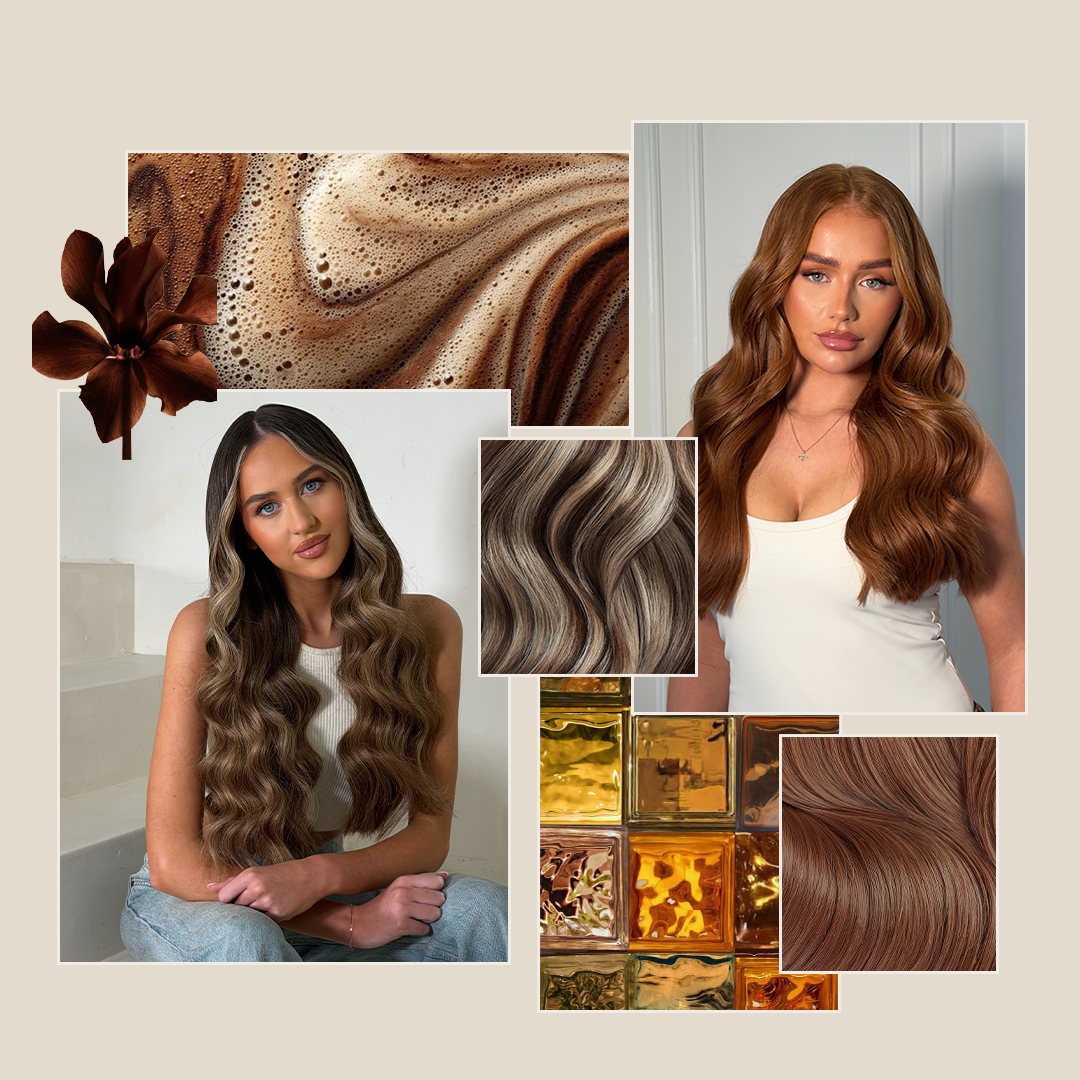
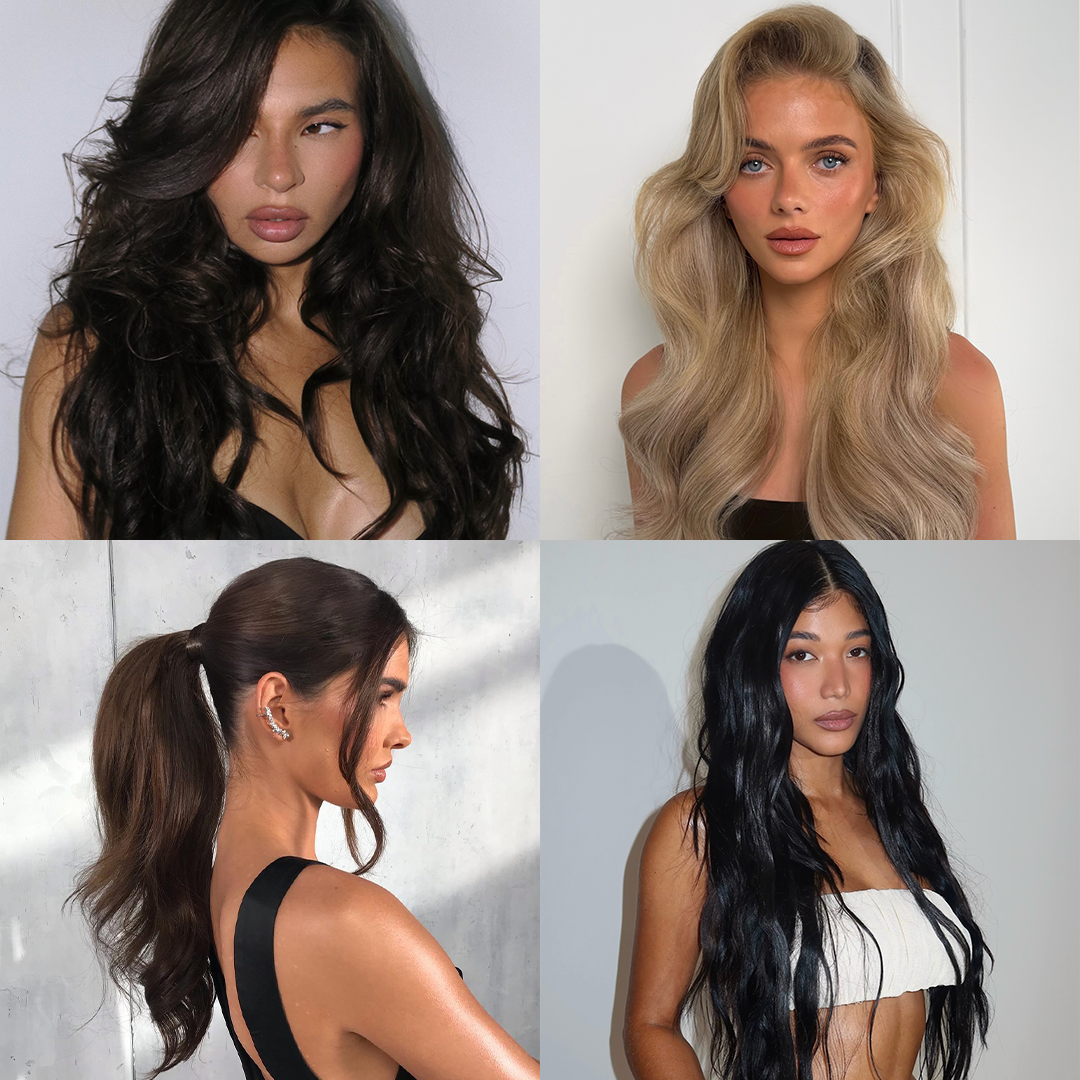
Greasy hair? we’ve all been there. You start the morning feeling fresh, confident, and ready to take on the world… until, suddenly, your roots lose their lift, your shine turns heavy, and that effortless style you crafted starts falling flat. It’s the kind of hair moment that can derail an entire day, leaving you feeling anything but your best.
Oily roots don’t have to set the tone for your morning, your mood, or your plans. With a few refined strategies and the right haircare rhythm, you can bring your hair back into balance - keeping it light, lifted, and beautifully composed from dawn to dusk.
Consider this your guide to reclaiming harmony, confidence, and movement… no matter what your day throws your way.

Why Does Hair Get Greasy?
To truly stop grease from ruining your day, you first need to understand why it appears so quickly. The culprit? Sebum - the natural oil your scalp produces to keep your hair soft, hydrated, and protected.
But when sebum production becomes unbalanced, it can weigh the hair down, causing:
-
Limp roots
-
A slick or separated appearance
-
Dull-looking lengths
-
Styles that fall flat far too quickly
While sebum is essential, too much of it can feel overwhelming. And the biggest triggers may surprise you.
1. Overwashing: May be the Root of the Problem
It sounds counterintuitive, but the more you wash your hair, the more your scalp believes it needs to replenish what’s been lost. This over-correction leads to a cycle of constant oiliness, a rhythm that works against your hair instead of supporting it.
The solution?
Find your wash cadence.
Most hair types thrive with washing every 2–3 days, allowing natural oils to rebalance without overproduction. If your hair feels oily between washes, don’t rush back to shampoo, this is where smart styling techniques and supportive products come into play. Using our Award Winning Hydrate System which is a lightweight formula, infused with nourishing argan and macadamia oils, boosts manageability and delivers silky softness. The hydrate system helps maintain the natural vitality of your hair and extensions while gently lifting away impurities.
2. Choose a Shampoo That Brings You Back Into Balance
For those prone to oily roots, a lightweight, clarifying, or balancing shampoo free from sulphates and parabens is key -enters: Our Hydrating Shampoo. Look for formulas that remove buildup without stripping, think gentle yet effective, leaving the scalp calm and refreshed.
Avoid overly hydrating shampoos at the root, as they can encourage oils to gather more quickly. Instead, concentrate moisture on the mid-lengths and ends, keeping the scalp light and the lengths nourished.
A balanced cleansing routine is like tuning an instrument - once everything is aligned, the result feels effortless.
3. Condition With Intention
Conditioners are essential, but where you apply it matters.
Rather than saturating your scalp, focus on applying a conditioner that hydrates and replenishes:
-
Only on the mid-lengths and ends
-
Far from the root area and bonds
-
In light, even amounts
This ensures your hair receives the moisture it needs without overwhelming the root area where oils naturally collect.
4. Brush With Purpose
Your scalp’s natural oils travel down the hair and how often you brush affects that journey.
Too little brushing: Oils stay concentrated at the scalp.
Too much brushing: You encourage oil to spread rapidly through the lengths.
The balance?
A gentle brushing routine once or twice a day, preferably with a brush designed to distribute oils evenly and smoothly.
5. Clean Your Tools (Yes, This Really Matters)
Hairbrushes, combs, styling tools, and even your pillowcase can accumulate oils, product buildup, and environmental impurities, all of which transfer straight back to your hair.
Top tips:
-
Washing your brush weekly
-
Wiping heat tools after each use
-
Changing your pillowcase every 3 to 4 nights
This simple shift can dramatically reduce how quickly your roots become oily.
6. Hands Off: The Hardest Habit to Break
Running your fingers through your hair might feel natural, but every touch transfers oils from your hands directly to your strands. Over the course of a day, those tiny touches add up.
By reducing this habit is one of the fastest ways to keep your style cleaner for longer.
7. Style Strategically Between Washes
Oil-prone roots don’t mean you have to settle for dull, flat styles. The right styling approach can keep your look elevated and intentional, even on day two or three.
Try:
-
Soft waves for added volume
-
A textured pony to lift the roots
-
Claw clips that keep hair away from the face
-
Half-up styles that look polished and controlled
When oils begin to appear, think of it not as a setback, but an opportunity to switch the rhythm and bring new movement to your look.
8. Hair Extensions: A Surprising Way to Reduce the Look of Oil
A dimensional set of high-quality hair extensions can dramatically reduce the appearance of greasy roots.
How?
-
They add volume where roots tend to fall flat
-
Their multi-tonal blends reflect light beautifully
-
They shift attention from the scalp to the mid-lengths
-
They make the hair look fuller, fresher, and more composed
Crafted with 100% double drawn Remy human hair, SWAY’s hair extensions offer an ultra-flat, discreet finish that blends effortlessly, especially on days where your natural hair needs a little extra support.

Greasy hair doesn’t have to dictate the energy of your day. With gentle care, mindful habits, and styling that works with and not against your natural oils, you can maintain a look that feels polished, lifted, and beautifully in balance.
When your hair behaves, the whole day just sways differently. Your best hair days? They start right here.
Greasy Hair: FAQs
1. Why does my hair get greasy so fast?
Your scalp may be overproducing oil due to overwashing, heavy conditioners at the root, product residue, or even touching your hair too frequently. Adjusting your haircare routine can bring this back into balance.
2. How often should I wash oily hair?
Most people with oily roots find that washing every 2–3 days keeps their scalp balanced. However, the ideal frequency can vary depending on your lifestyle.
3. Can extensions help with greasy-looking hair?
Yes. High-quality, multi-dimensional extensions add volume and movement, drawing attention away from oily roots and helping the hair look fuller and fresher.
4. Does conditioner placement affect how greasy my hair gets?
Yes. Applying conditioner too close to the roots can weigh the hair down and make it look oily faster. Focusing conditioner on the mid-lengths and ends helps keep the scalp lighter and fresher for longer.